


Does Self-Tanner Damage Your Skin? The Truth Explained



I. Introduction
Self-tanning has become a popular alternative to sunbathing, offering a healthy glow without spending hours under the sun. From busy professionals to skincare-conscious consumers, more people are turning to self-tanners for a natural-looking tan.
But one question still causes hesitation: Does self-tanner damage your skin?
Let’s break down the science, clear up common myths, and uncover the truth.
II. What Is Self-Tanner?
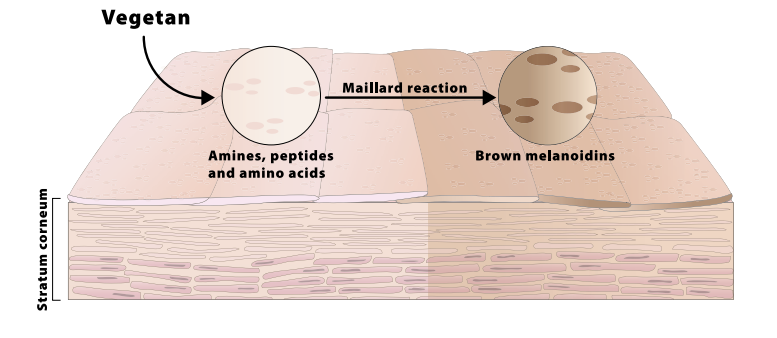


A self-tanner is a topical product designed to temporarily darken the skin without sun exposure.
The key ingredient is DHA (dihydroxyacetone).
DHA reacts with amino acids on the surface of the skin, creating a brown pigment that mimics a natural tan.
Important to know:
-
DHA only affects the outermost layer of skin
-
It does not penetrate into living skin cells
-
The color fades naturally as the skin exfoliates
III. Potential Skin Concerns: Myths vs. Facts
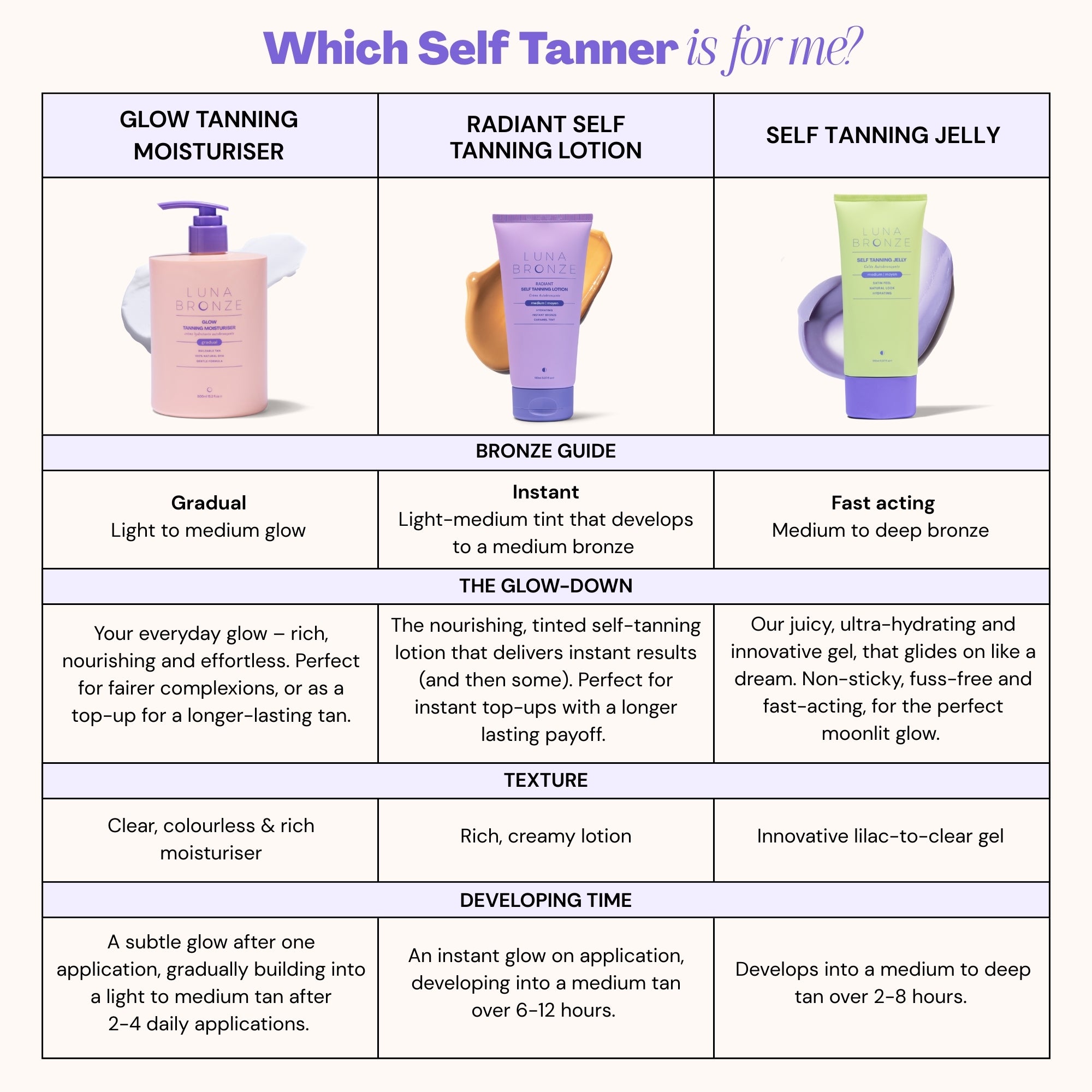

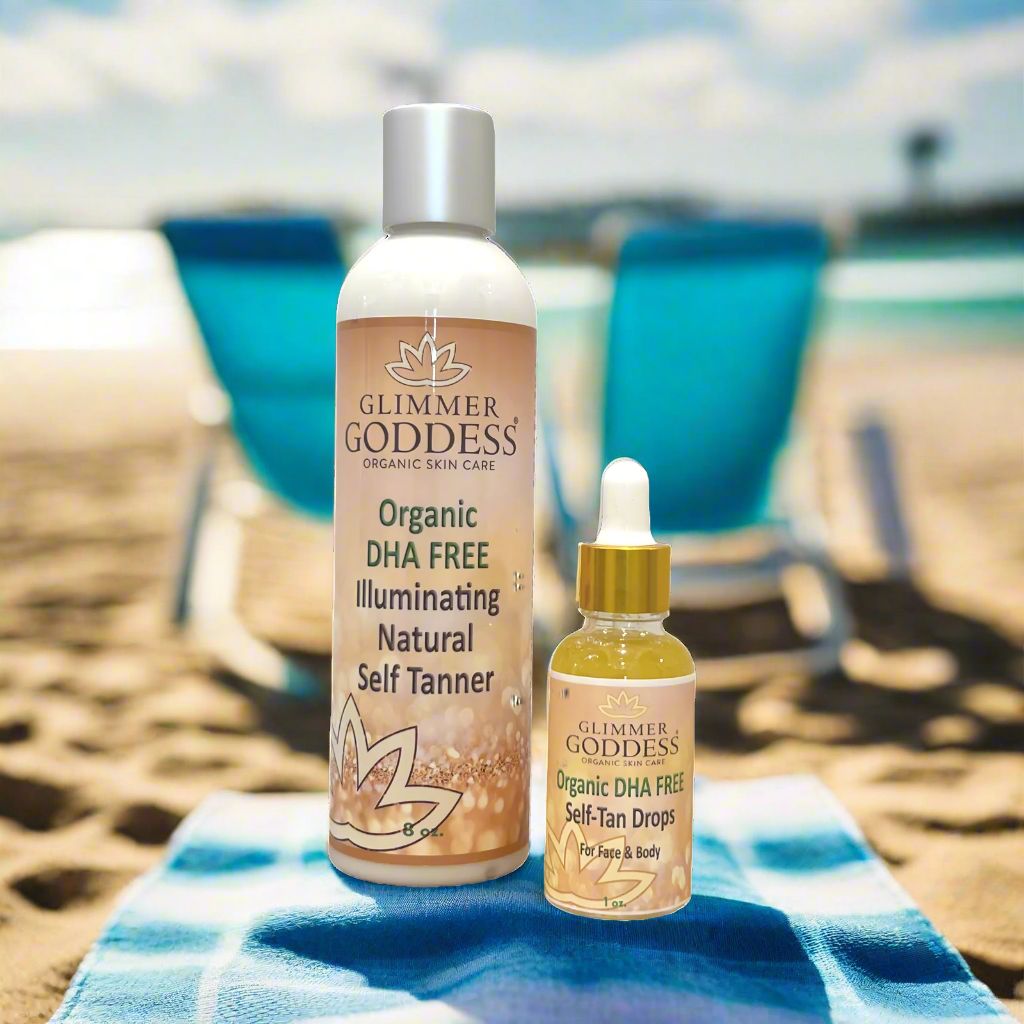
Myth: Self-tanner damages skin like UV exposure
Fact: Self-tanners do not cause DNA damage or accelerate skin aging the way UV rays do.
Myth: DHA is toxic to skin
Fact: DHA has been studied for decades and is considered safe when used as directed in cosmetic products.
Modern self-tanners are often enhanced with:
-
Hydrating agents
-
Antioxidants
-
Skin-soothing ingredients
The biggest issues people experience usually come from poor application or low-quality formulas, not the self-tanner itself.
IV. Skin Health Considerations


DHA interacts only with the epidermis, the skin’s outer layer. It does not interfere with collagen, elastin, or deeper skin functions.
To keep skin healthy:
-
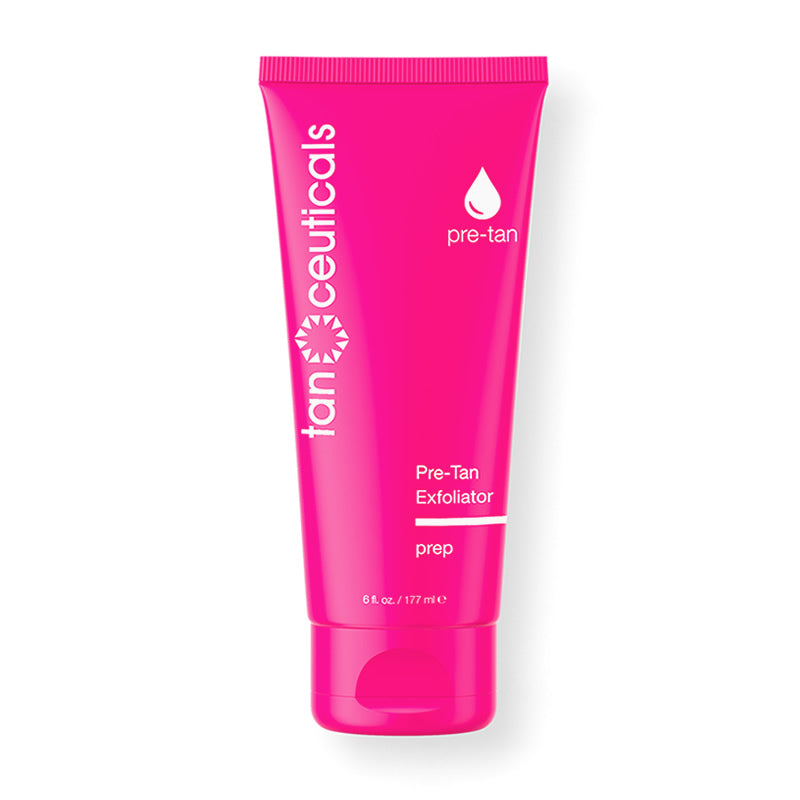
Exfoliate gently before application
-
Apply evenly with clean hands or a mitt
-
Avoid layering too much product at once
Choosing products with clean, skin-friendly ingredients makes a significant difference in both results and comfort.
V. Benefits of Using Safe Self-Tanners

Using self-tanner instead of sunbathing offers real skin benefits:
-
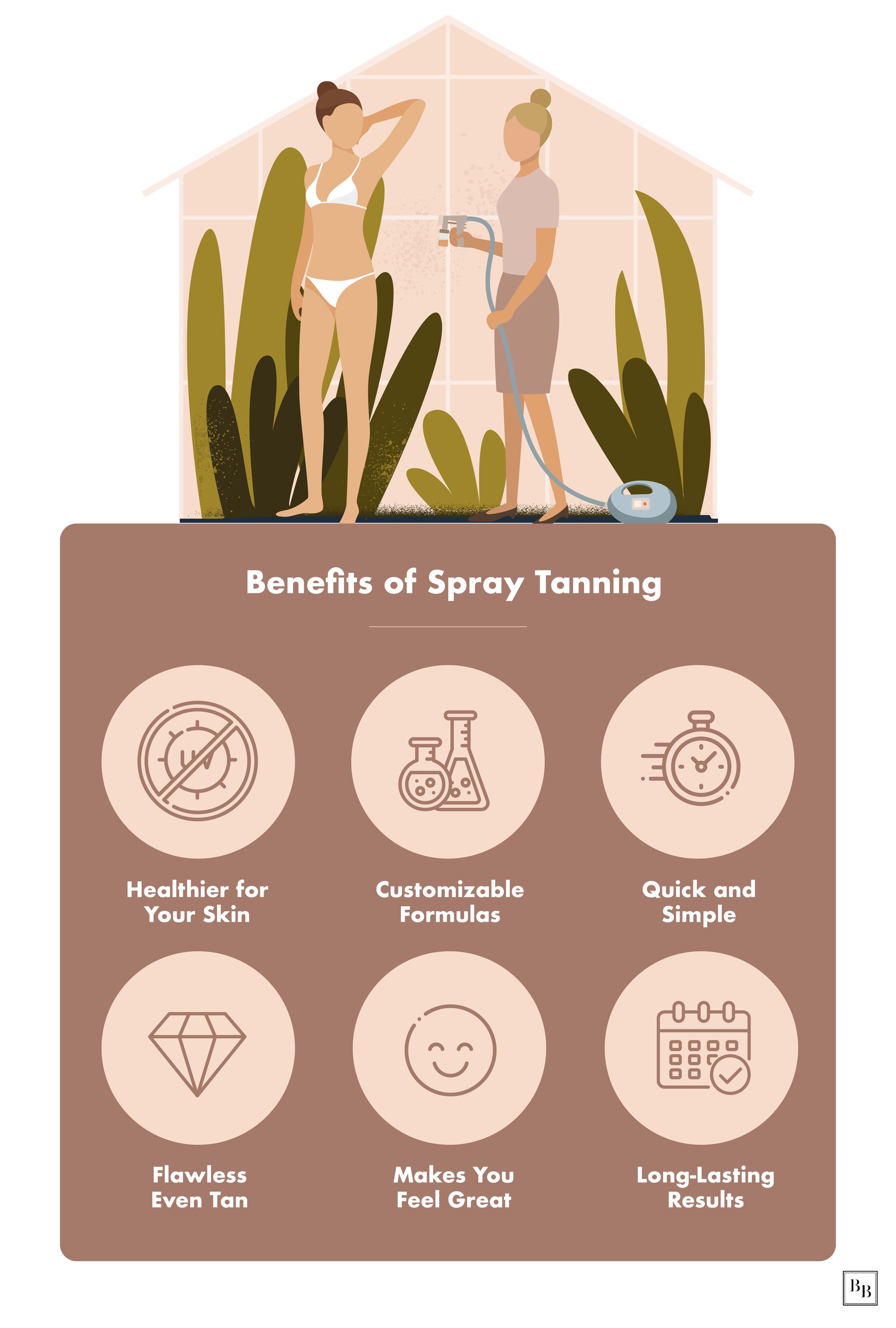
No UV exposure, reducing the risk of premature aging
-
Lower risk of sunspots and hyperpigmentation
-
Many formulas include moisturizing and nourishing ingredients
-
Supports a healthy glow without skin stress
When done right, self-tanning can actually complement a skincare routine rather than harm it.
VI. Best Practices for Safe Self-Tanning


To get the best results safely:
-
Choose high-quality, dermatologist-tested products
-
Always do a patch test, especially if you have sensitive skin
-
Prep skin with light exfoliation and hydration
-
Moisturize daily after tanning to maintain even fading
Healthy skin equals a better-looking tan—every time.
VII. Conclusion
Self-tanner does not damage your skin when used properly.
In fact, it’s one of the safest ways to achieve a sun-kissed glow without the long-term risks of UV exposure.
By understanding how self-tanner works and choosing skin-conscious products, you can enjoy glowing, confident skin—without compromise.
✨ A beautiful tan should enhance your skin, not harm it.