


Why You Should Never Use Body Self-Tanner on Your Face


I. Introduction
Proper skincare starts with using the right products in the right places. While self-tanning has become a popular alternative to sun exposure, not all self-tanners are created equal—especially when it comes to your face.
A common misconception is that body self-tanner can simply be applied to the face for convenience. Unfortunately, this shortcut often leads to irritation, breakouts, and uneven results that are difficult to fix.
II. Why Body Self-Tanner Doesn’t Work for Facial Skin
Different skin texture and sensitivity
Facial skin is thinner, more sensitive, and more reactive than the skin on your body. Products designed for arms and legs are often too strong for delicate facial areas.
Pore clogging and breakout risks
Body self-tanners tend to be richer and heavier. On the face, this can clog pores and trigger breakouts—especially around the nose, chin, and jawline.
Uneven application and streaking
Facial contours, fine lines, and expressions make even application more challenging. Body formulas aren’t designed to adapt to these details, leading to patchy or streaky results.
III. Key Differences Between Body and Face Self-Tanners


Formulation variations
Face self-tanners use gentler tanning agents and lighter textures to avoid overwhelming sensitive skin.
Skin-specific ingredients
Facial formulas often include calming, hydrating ingredients that support the skin barrier rather than stressing it.
Specialized application techniques
Face tanners are designed for controlled application—drops, mists, or lightweight lotions that blend seamlessly into skincare routines.
IV. Potential Risks of Using Body Self-Tanner on Your Face
Skin irritation
Stronger fragrances and active ingredients can cause redness, itching, or burning sensations.
Acne breakouts
Heavy formulas increase the likelihood of clogged pores and inflammation.
Premature aging
Repeated irritation can weaken the skin barrier, contributing to fine lines and uneven texture over time.
Unnatural appearance
Overdeveloped color, orange tones, or visible streaks can make the tan look artificial rather than healthy.
V. Recommended Solutions
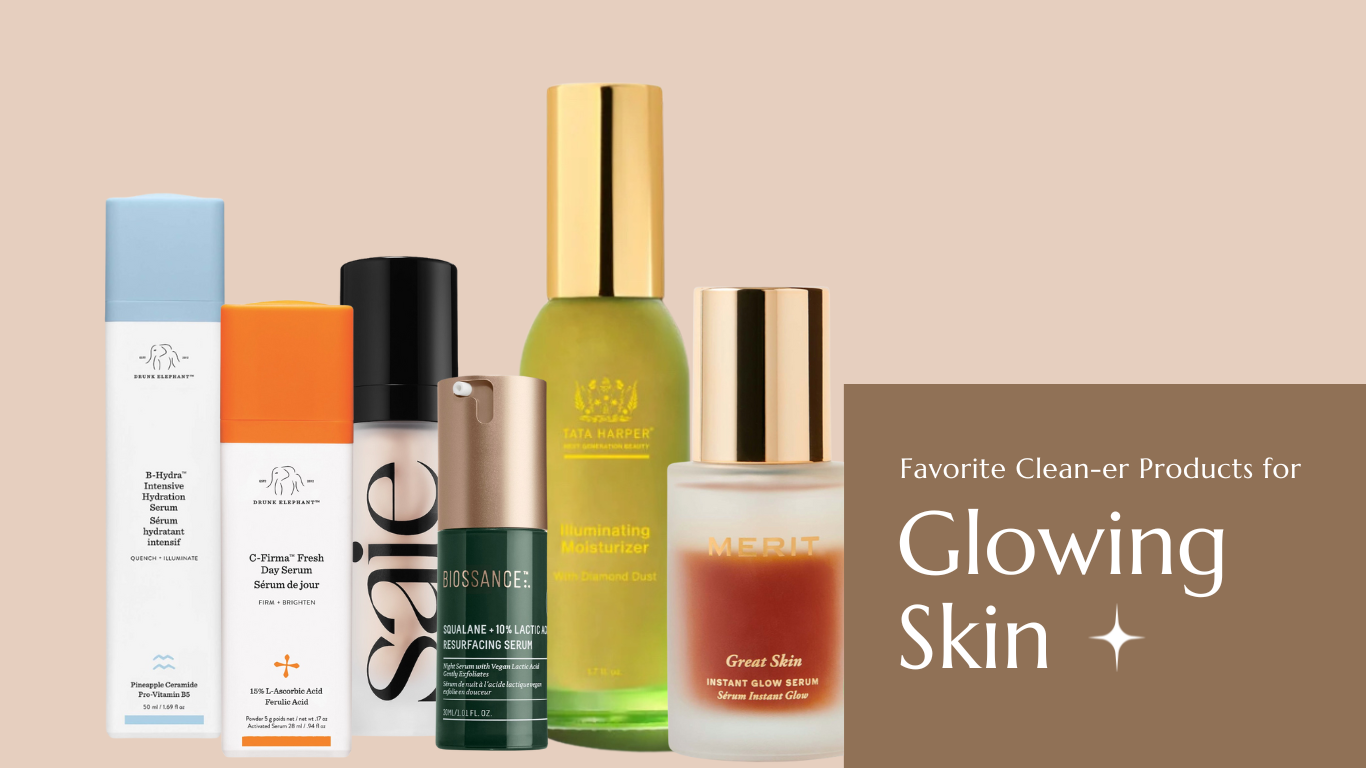

Invest in face-specific self-tanning products
Choose products specifically formulated for facial skin, such as tanning drops or lightweight facial mists. Brands like AURA MIST focus on gradual, skin-friendly glow rather than instant intensity.
Proper skin preparation
-
Cleanse thoroughly
-
Exfoliate gently (1–2 times per week)
-
Moisturize dry areas
Correct application methods
-
Mix tanning drops with moisturizer if needed
-
Apply evenly using clean hands or tools
-
Blend carefully along hairline and jaw
VI. Conclusion
Using the right product is just as important as using self-tanner itself. Body self-tanners may work beautifully below the neck, but your face deserves a formula designed for its unique needs.
By choosing face-specific self-tanning products and applying them correctly, you can achieve a natural, healthy glow—safely, evenly, and confidently.