


Self-Tanning for Acne-Prone or Sensitive Facial Skin



I. Introduction
Facial self-tanning can feel especially challenging if you have acne-prone or sensitive skin. One wrong product can lead to clogged pores, irritation, or flare-ups that take days to calm down.
That’s why skin health should always come first. Brands like AURA MIST focus on creating face-friendly tanning solutions that prioritize comfort, balance, and a natural-looking glow—without compromising sensitive skin.
II. Understanding Sensitive Facial Skin
Common skin concerns
Sensitive and acne-prone skin often struggles with:
-
Redness and irritation
-
Breakouts caused by heavy formulas
-
Uneven texture and dehydration
Because facial skin is thinner and more reactive, it requires extra care.
Why traditional self-tanners can cause breakouts
Many traditional self-tanners are formulated for the body, not the face. These products can:
-
Be too rich or occlusive
-
Contain strong fragrances
-
Sit heavily on pores
All of which increase the risk of congestion and acne.
Importance of non-comedogenic products
Non-comedogenic formulas are designed not to clog pores. For facial self-tanning, this is essential—especially for skin that’s already prone to breakouts.
III. Key Features of Safe Facial Self-Tanning
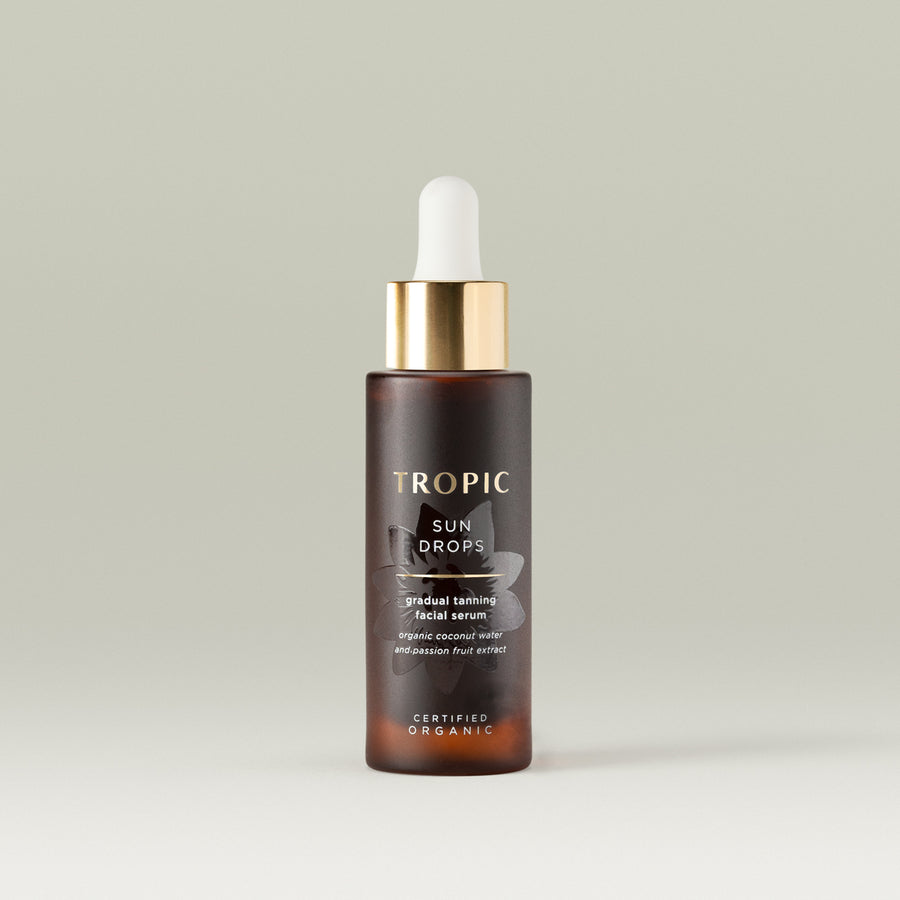


Ingredients to look for
When choosing a face self-tanner, look for:
-
Lightweight, water-based or serum-like textures
-
Hydrating ingredients that support the skin barrier
-
Gentle tanning agents that build color gradually
Ingredients to avoid
Sensitive skin may react poorly to:
-
Heavy oils or waxes
-
Strong artificial fragrances
-
Harsh alcohols
How to choose the right self-tanner
Face-specific products—especially gradual tanning drops—offer better control and lower risk than all-in-one body formulas.
IV. AURA MIST’s Solution for Sensitive Skin

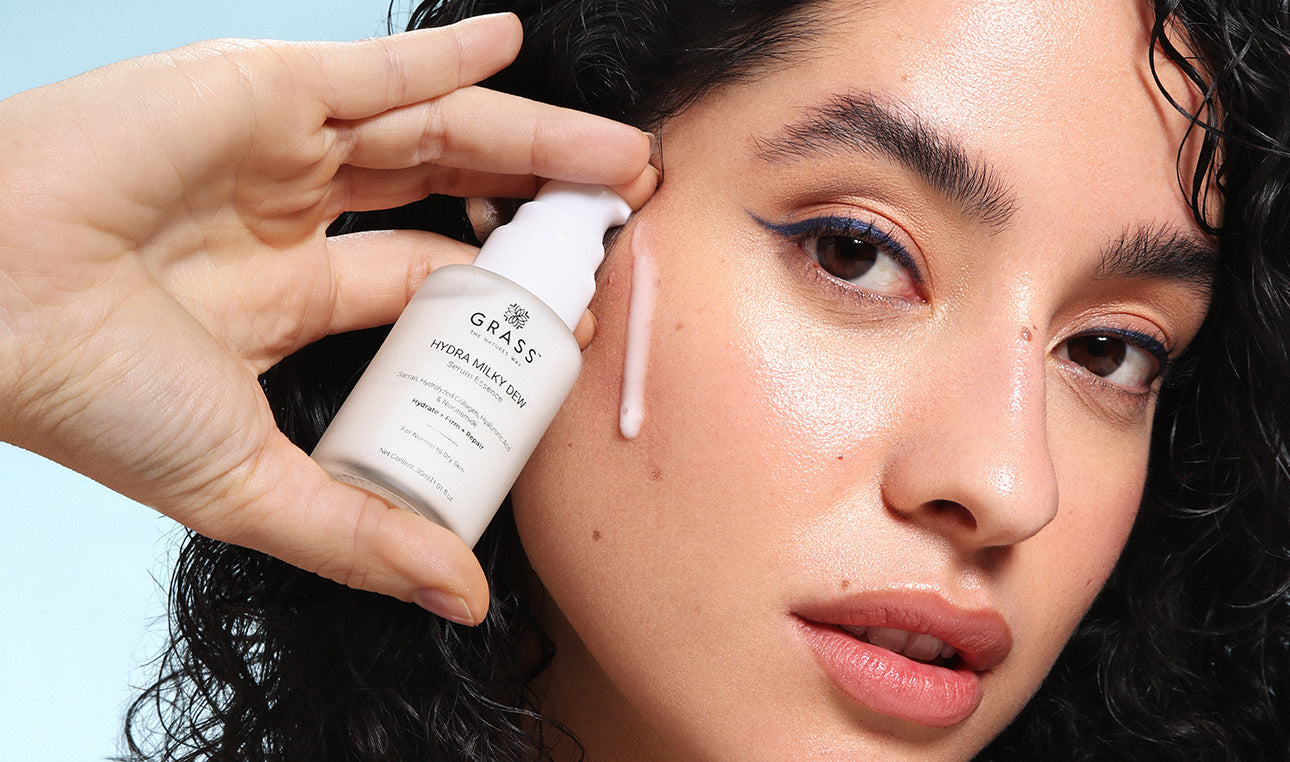
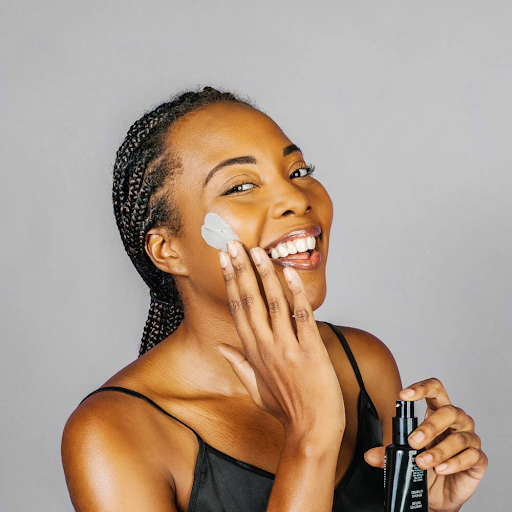
Product benefits
AURA MIST’s approach focuses on:
-
Gradual color development
-
Lightweight, breathable formulas
-
Easy integration into daily skincare
Gentle application techniques
By mixing tanning drops with your regular moisturizer or serum, you reduce direct concentration on the skin—making application smoother and more forgiving.
Skin-loving formula advantages
This method supports hydration, minimizes buildup, and helps maintain an even, natural tone without overwhelming sensitive skin.
V. Application Tips for Acne-Prone Skin


Proper skin preparation
-
Cleanse gently to remove residue
-
Avoid over-exfoliating
-
Apply a lightweight moisturizer to balance the skin
Step-by-step application guide
-
Mix tanning drops with your moisturizer
-
Apply evenly to face and neck
-
Use less product on breakout-prone areas
-
Wash hands after application
Post-tanning skincare routine
-
Keep skin hydrated daily
-
Avoid layering heavy products immediately after tanning
-
Reapply tanning drops gradually, not daily
VI. Conclusion
Self-tanning with acne-prone or sensitive facial skin doesn’t have to be risky. The key is choosing face-specific, non-comedogenic formulas and applying them with intention.
With gentle products, thoughtful preparation, and gradual application, you can achieve a natural glow that enhances your skin—without triggering irritation or breakouts. Confidence starts with skin that feels as good as it looks.