


Is Self-Tan Just Makeup for the Body? (And Why It’s More Than That)


I. Introduction
At first glance, self-tanner can seem like body makeup—something you apply for instant color and wash off later. This misconception has caused many people to underestimate what self-tan actually does.
But self-tanner isn’t makeup for the body. It doesn’t sit on the skin’s surface for a few hours. Instead, it works with your skin in a completely different way. Let’s break down why self-tan is more than cosmetic coverage—and why that difference matters.
II. What Makes Self-Tanner Different from Body Makeup



Body makeup works like foundation:
-
It coats the surface
-
It can transfer onto clothes
-
It washes off with soap and water
Self-tanner works differently.
Instead of covering the skin, self-tanner creates a temporary color change within the outer layer of the skin. The result:
-
No transfer once developed
-
Color lasts several days
-
Fades naturally with skin renewal
Many modern self-tanners also include hydrating and skin-conditioning ingredients—something traditional makeup doesn’t offer.
III. How Self-Tanner Actually Works


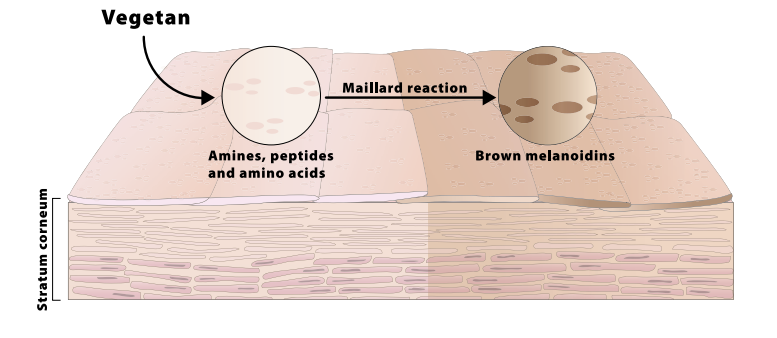
The science behind self-tanner centers on DHA (dihydroxyacetone).
DHA reacts with amino acids in the epidermis, the outermost layer of your skin. This reaction creates melanoidins—pigments that give the appearance of a tan.
Key differences from makeup:
-
No pigments sitting on top of skin
-
No pore clogging from surface coverage
-
No rubbing off on contact
Self-tan doesn’t penetrate living skin layers. It transforms skin tone at the surface level in a way that looks natural and fades evenly over time.
IV. Benefits Beyond Aesthetic Appeal


Self-tanner isn’t just about looking bronzed—it’s about choosing a safer glow.
Benefits include:
-
Avoiding UV exposure and sun damage
-
Supporting skin hydration and softness
-
Reducing the risk of premature aging and dark spots
-
Boosting confidence without stressing the skin
For many people, self-tan becomes part of a skin-first routine, not a cosmetic shortcut.
V. Addressing Common Myths
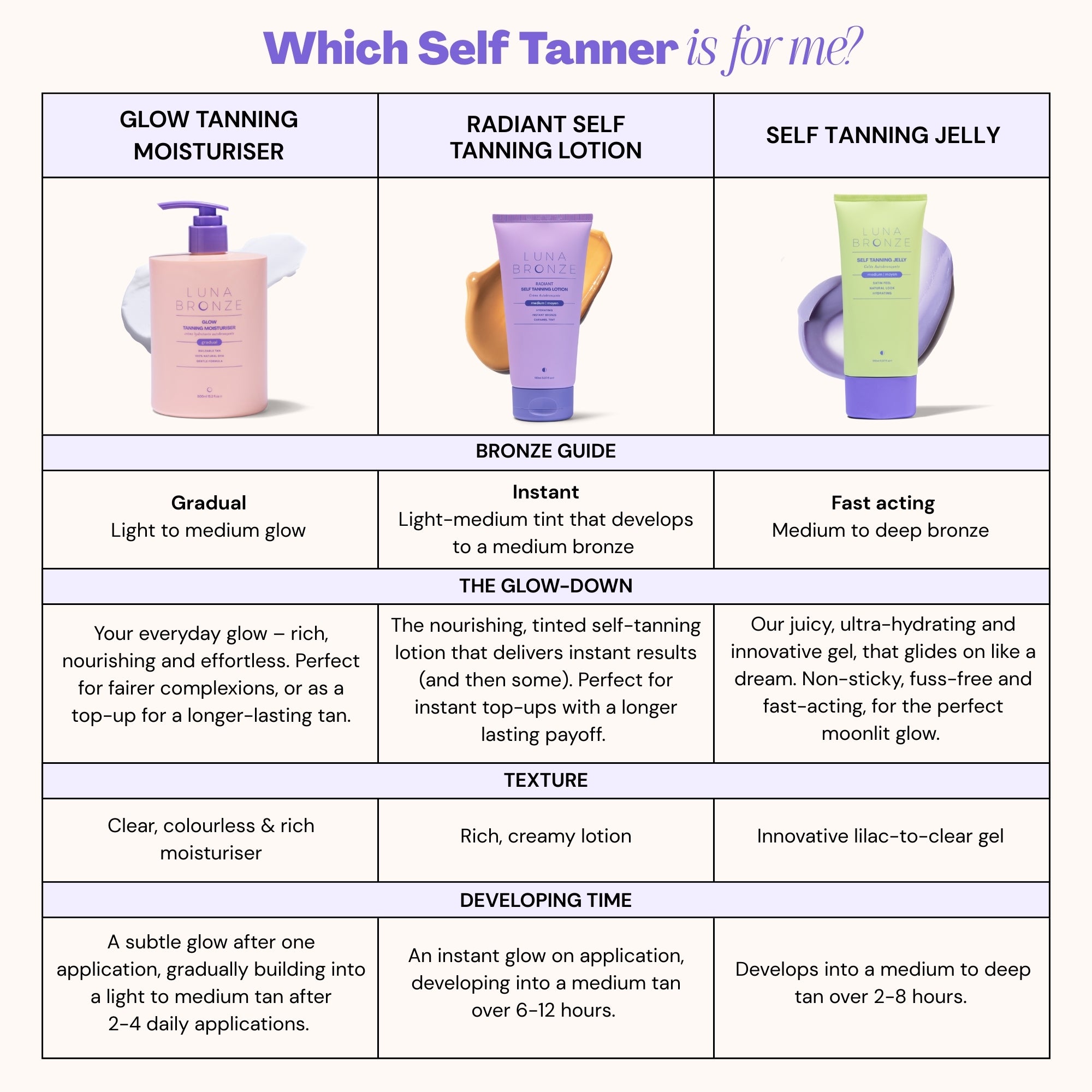


Myth: Self-tan is just cosmetic paint
Truth: It causes a temporary skin tone transformation
Myth: It’s bad for your skin
Truth: Quality formulas are designed to be skin-friendly and hydrating
Myth: It’s only about appearance
Truth: It’s also about protecting skin from harmful sun exposure
Understanding how self-tan works changes how we see it—from makeup replacement to skincare-aligned solution.
VI. Conclusion
Self-tan isn’t makeup for the body. It’s a science-backed way to enhance skin tone without covering, clogging, or damaging your skin.
When chosen and applied thoughtfully, self-tanner becomes more than a cosmetic—it becomes a health-conscious glow solution.
A glow that works with your skin, not against it.
✨ Healthy skin doesn’t need hiding. It deserves enhancing.