


Is Gradual Self-Tanning Safe for Sensitive Skin?
I. Introduction
For people with sensitive skin, self-tanning can feel risky.
Redness, itching, or irritation from past experiences often lead to hesitation—even when the desire for a healthy glow remains.
That’s why understanding how gradual self-tanning works and what makes it safer is essential.
When chosen and applied correctly, gradual self-tanning can be a gentle, skin-friendly alternative to traditional formulas.
II. Understanding Sensitive Skin and Self-Tanning


A. Characteristics of Sensitive Skin
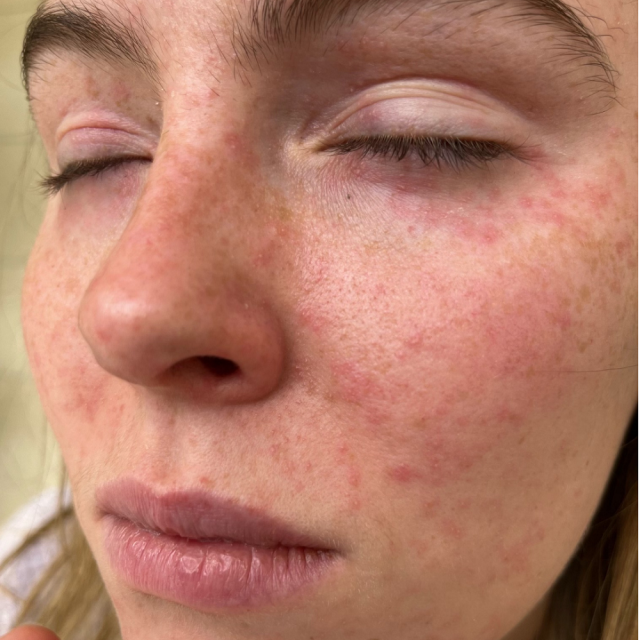
Sensitive skin tends to react more easily to products and environmental changes.
Common signs include redness, dryness, tightness, stinging, or itchiness.
B. Common Challenges with Traditional Self-Tanners
Instant or heavily pigmented self-tanners may:
-
Develop color too quickly
-
Emphasize dry patches
-
Increase the risk of irritation due to strong formulas
These issues make many traditional self-tanners unsuitable for sensitive skin types.
III. Safety Considerations for Gradual Self-Tanning


A. Ingredients to Look For
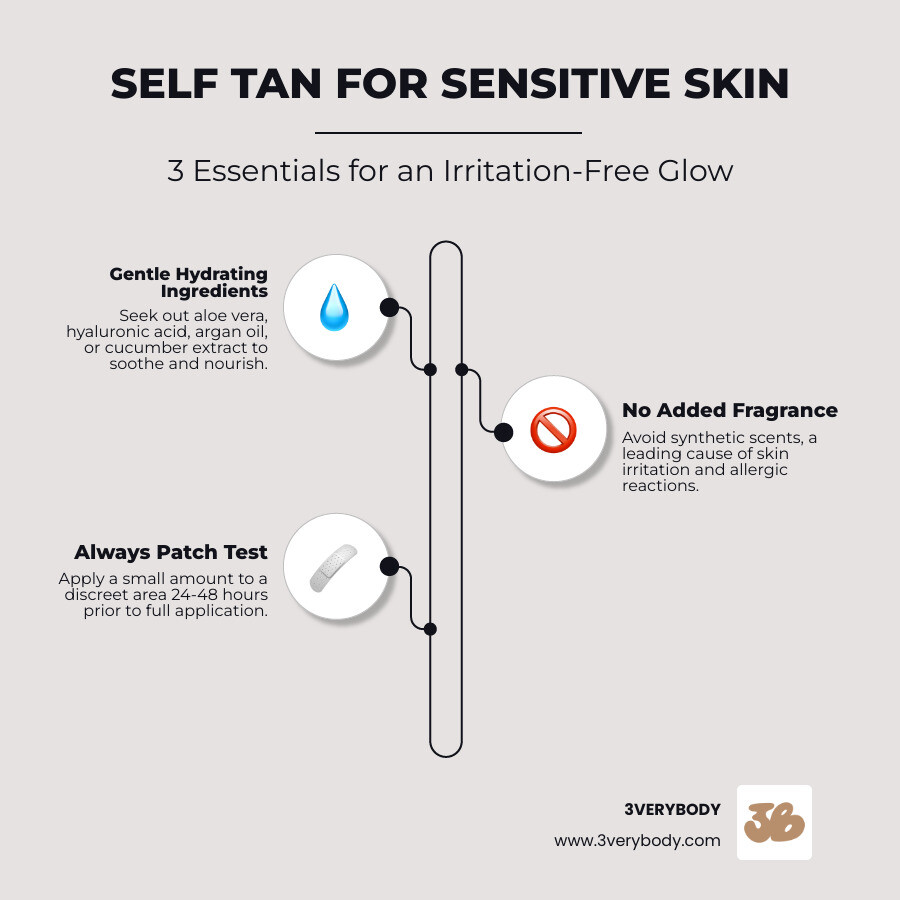
Sensitive skin benefits from formulas that include:
-
Hydrating agents (such as glycerin or aloe-based ingredients)
-
Soothing components that support the skin barrier
-
Lightweight, moisturizing textures
B. Ingredients to Avoid
Those with sensitive skin should be cautious with:
-
Harsh alcohols
-
Heavy artificial fragrances
-
Overly aggressive color developers
C. Importance of Patch Testing
Even with gentle formulas, patch testing is essential.
Apply a small amount to a discreet area and wait 24 hours to ensure your skin responds well.
IV. Benefits of Gradual Self-Tanning for Sensitive Skin
A. Gentle Application
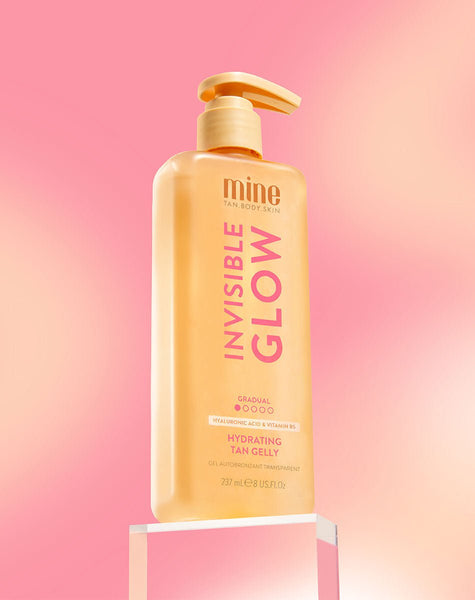
Gradual self-tanners are applied like a daily moisturizer, reducing friction and stress on the skin.
B. Reduced Risk of Irritation
Because color develops slowly, the skin isn’t overwhelmed—making irritation less likely.
C. Hydration and Skin-Loving Formulas
Many gradual self-tanners double as skincare, helping improve softness, comfort, and overall appearance.
V. Tips for Safe Self-Tanning with Sensitive Skin
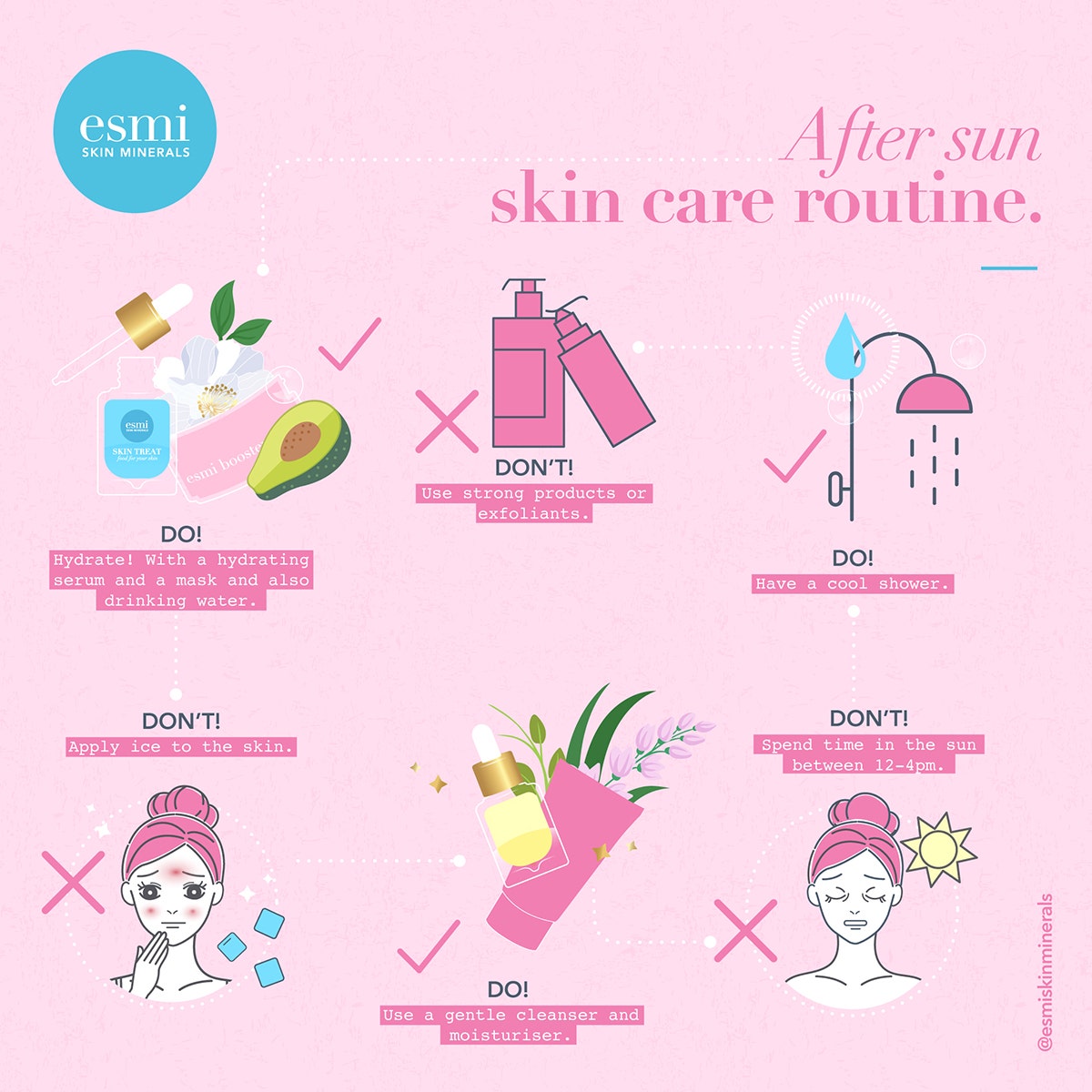
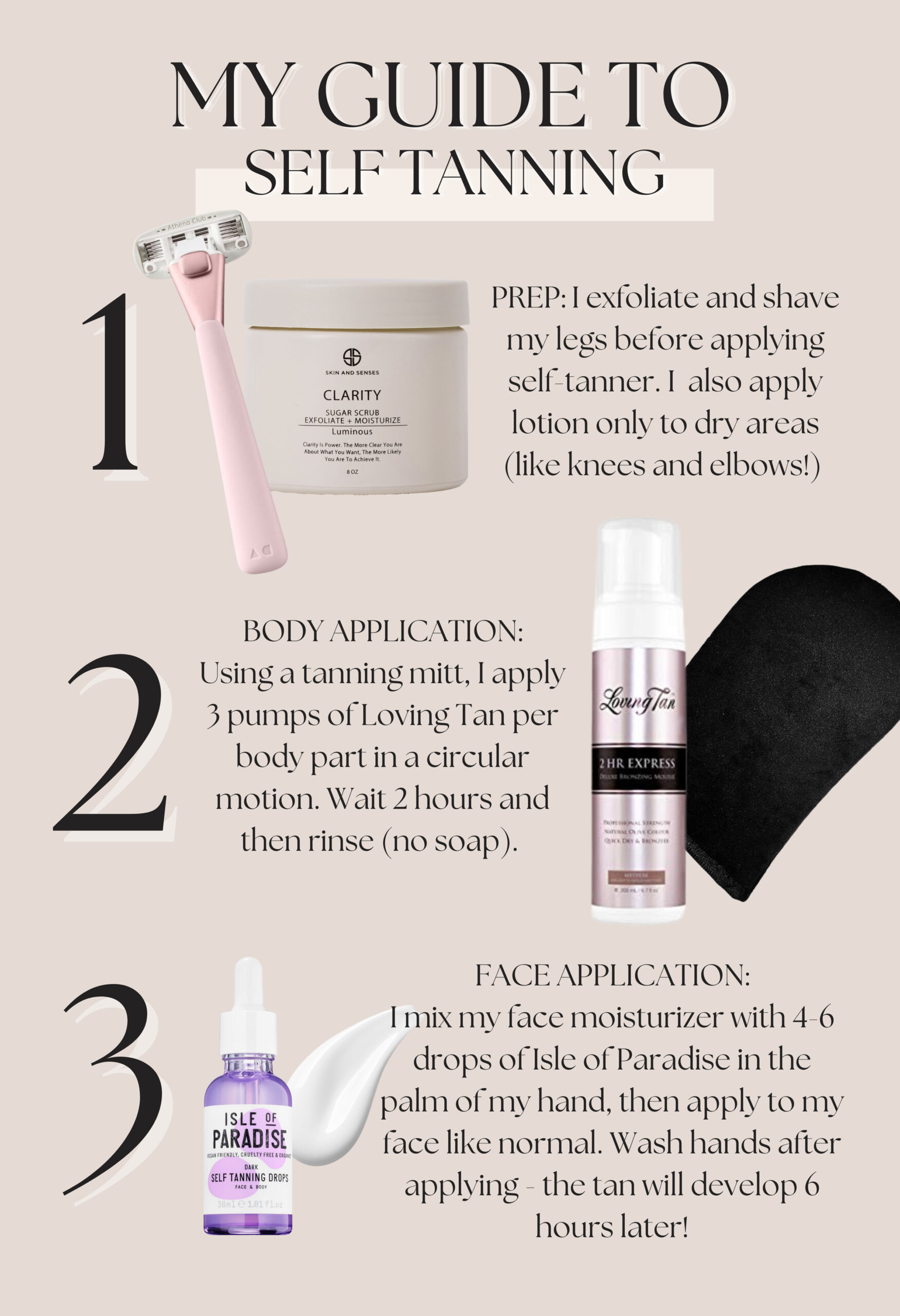
A. Preparation Steps
-
Gently exfoliate (avoid harsh scrubs)
-
Ensure skin is calm and moisturized
-
Avoid tanning on irritated or compromised skin
B. Application Techniques
-
Use thin, even layers
-
Apply slowly with light pressure
-
Avoid over-layering in one session
C. Post-Tanning Skincare
-
Moisturize daily to maintain comfort
-
Avoid strong exfoliants
-
Reapply gradual self-tan lightly as needed
VI. AURA MIST’s Approach to Sensitive Skin Self-Tanning

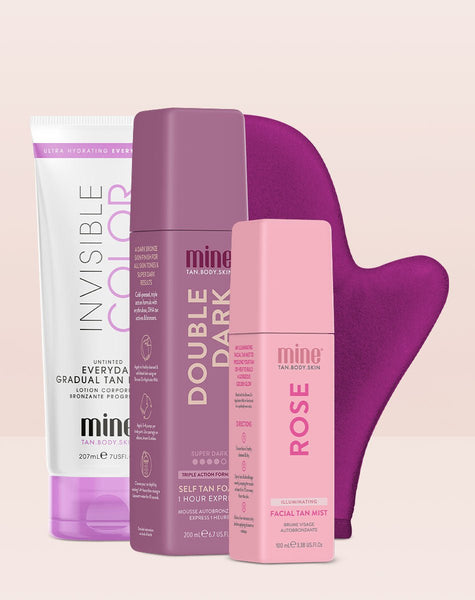

AURA MIST treats self-tanning as an extension of skincare.
A. Product Features
-
Gradual color development designed for daily use
-
Lightweight textures that blend effortlessly
B. Skin-Friendly Ingredients
Formulas focus on hydration, balance, and comfort—supporting sensitive skin rather than masking it.
C. Confidence-Boosting Results
The goal isn’t dramatic transformation, but a glow that feels natural, calm, and comfortable on the skin.
VII. Conclusion
So, is gradual self-tanning safe for sensitive skin?
When done thoughtfully, the answer is yes.
By choosing gentle formulas, paying attention to ingredients, and following proper application techniques, sensitive skin users can enjoy a healthy glow without unnecessary irritation.
Gradual self-tanning offers a reassuring path to confidence—one layer at a time.